Coordination betweenReality and planning

In construction and trade businesses, the greatest effort rarely arises during the actual work, but rather in between: information is lacking, employees are waiting, materials arrive late, or changes don't reach the construction site in time. The office and the construction site often operate in parallel—but not synchronously.

Simplico 's solutions integrate planning, communication, and documentation into a seamless workflow. Processes become more reliable, downtimes less frequent, and projects more predictable. At the same time, improved coordination of materials and operating times helps to use resources more efficiently and build more sustainably.

Problems in the construction industry that are worth solving

Office and construction site are separate

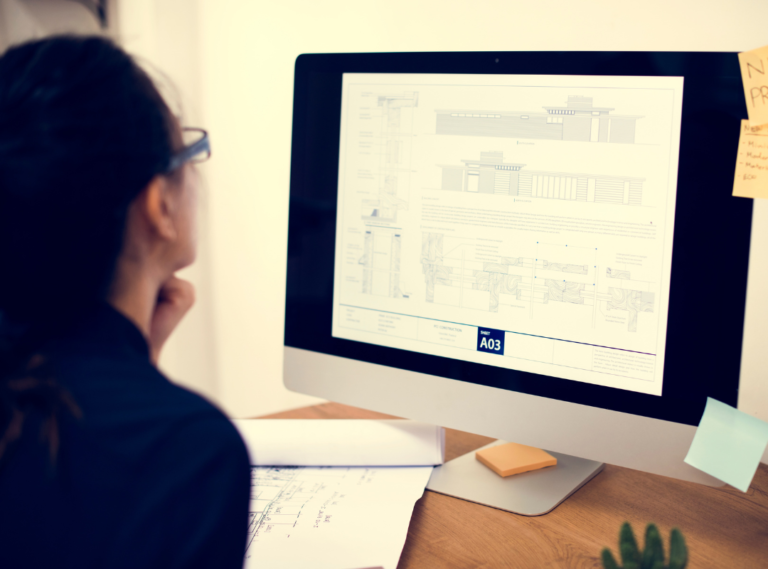
Information sits in the office, while decisions need to be made on the construction site. Employees call, send photos, or wait for feedback. When information is automatically available, there are fewer interruptions and work continues without downtime.


Materials are missing at the wrong time

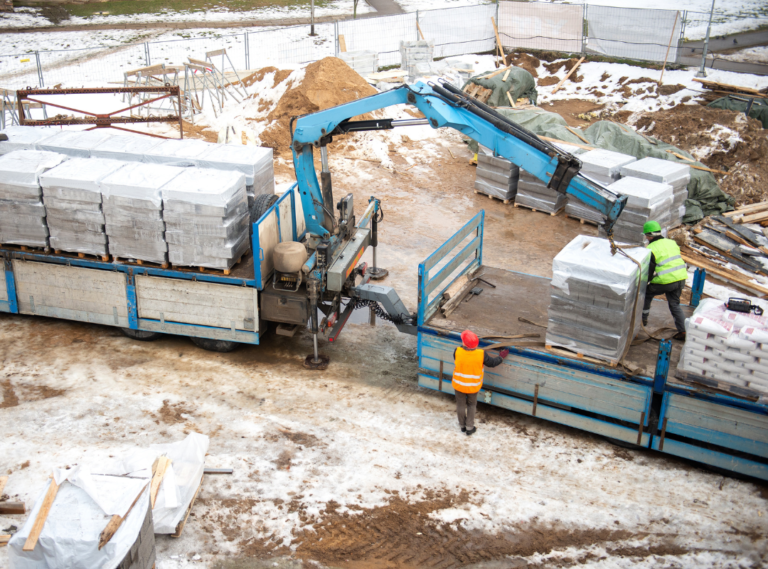
Materials are ordered too late or arrive at the wrong construction site. Employees are idle or forced to improvise. With structured planning and automated coordination between demand and order, materials are provided on time.

Additions are lost

Additional services are discussed on-site but not documented. Later, proof is missing or invoices are incomplete. Digital recording directly from the workflow ensures that services remain traceable.

Unclear project overview

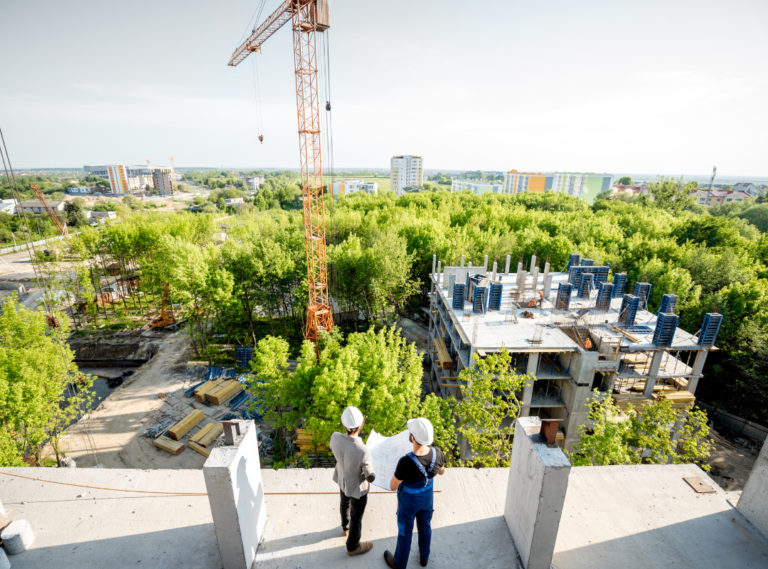
The current status of a project is often only known to a few individuals. Deadlines are pushed back without the office noticing in time. An ongoing overview makes progress, delays, and outstanding tasks visible.

Documentation takes time

Photos, logs, approvals, and inspections often need to be compiled afterward. This frequently happens in the evening or at the end of a project. If documentation is generated automatically during the work process, this duplicated effort is eliminated.

Our solutions for construction and trade businesses

Structuring construction site communication

Structuring construction site communication

Photos, messages and inquiries from the construction site are automatically assigned to projects and forwarded to the correct people.
We ensure that information is no longer lost in phone calls or chats.

Coordinate material requirements

Material requirements are automatically identified based on orders, construction progress, and planning. Orders can be prepared before shortages occur.
This reduces downtime and unnecessary journeys.

Document acceptances & tests

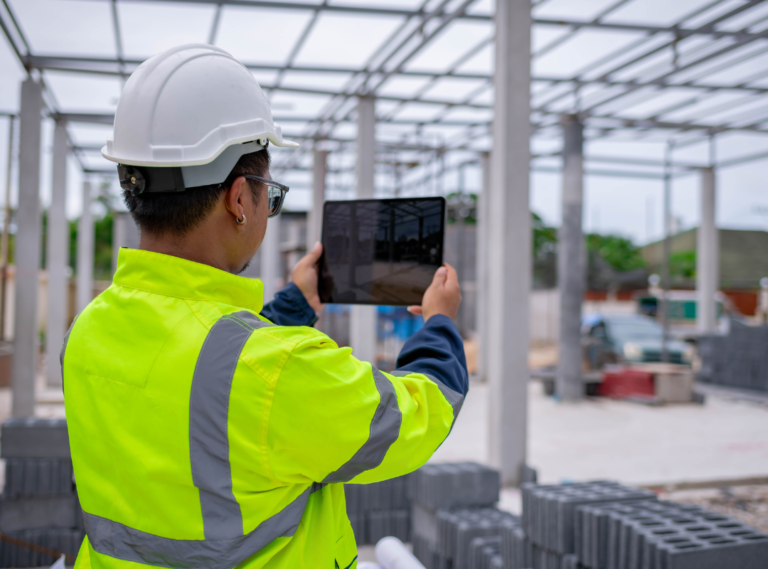
Safety inspections, partial acceptances, or handovers must be regularly confirmed and documented. Often, this is still done on paper or with individual photos that later have to be gathered together.

The solution records inspections directly on-site, automatically assigns them to the project, and generates complete documentation. This ensures that acceptances are traceable at all times and avoids discussions with clients or authorities.

Monitor project progress

The current status of a project is continuously visible: completed work, open tasks and delays.
Project managers recognize early on where intervention is needed.

Automatically collect documentation

Photos, test reports or approvals are automatically saved and assigned to the project.
At the end of the project, nothing needs to be gathered — everything is already there.

Coordinate subcontractors

On construction sites, several trades often work simultaneously. Deadlines get delayed, and information reaches subcontractors too late or incompletely.

Automation automatically informs participating companies about changes, deadlines, or requirements. All parties involved work with the same information, significantly reducing waiting times, empty runs, and delays.

Coordinating appointments and deployments

Employees, machines, and construction sites are coordinated with each other. Changes are automatically updated for all parties involved.
This reduces voting and avoids downtime.

Supporting sustainable planning

Better material planning, fewer failed trips and more accurate quantity determination allow resources to be used more effectively.
This reduces costs and simultaneously supports more environmentally friendly and sustainable construction.