
Trade & Wholesale

Understanding trade meansUnderstanding processes
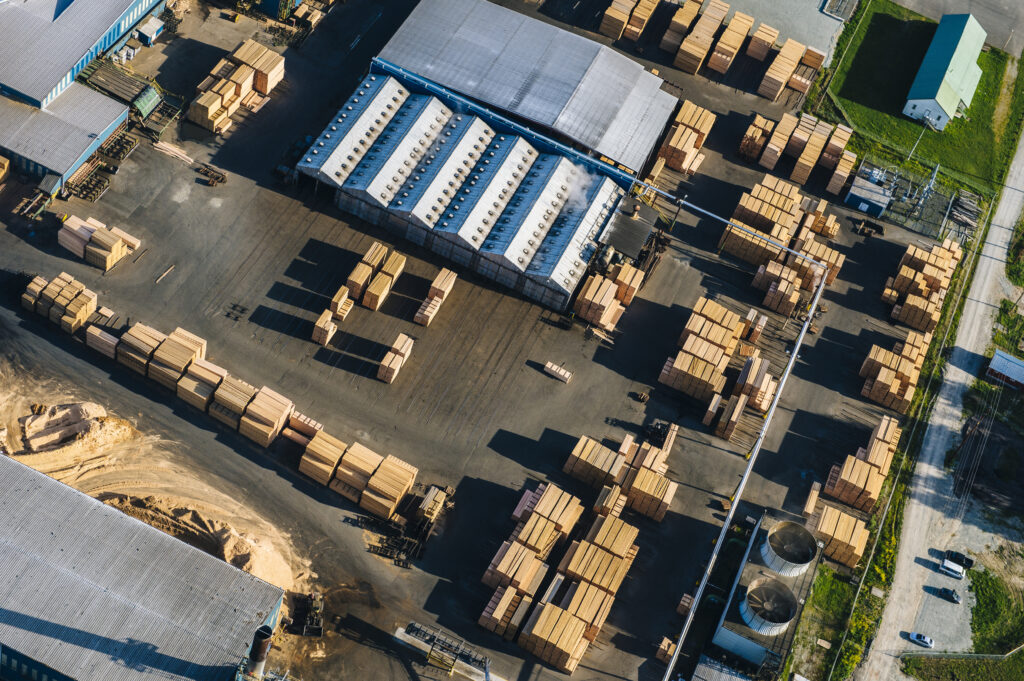
In retail, problems rarely arise from a single major error, but rather from many small manual steps: orders, deliveries, inquiries, and coordination. Information is often not available where it is needed.
Simplico 's automation solutions connect the flow of goods, communication, and analysis. This makes processes faster, more transparent, and significantly more stable—allowing businesses to operate more predictably and sustainably.
Problems in the trade sector that are worth solving.
Unclear stock levels
Inventory levels often don't reflect reality. Sales, reservations, or returns are entered late or multiple times. When transactions are automatically recorded and transmitted, a reliable overview is created—without constant manual checks.
Extensive supplier coordination
Delivery dates, quantities, or price changes are usually clarified via email or telephone. Information gets lost or doesn't reach the right person. Structured forwarding and automatic assignment prevent follow-up questions and significantly speed up decision-making.
Reactive orders
Orders are often only placed when stock is already missing—or too early out of a sense of security. Both tie up capital or cost revenue. When needs are automatically detected and prepared, employees can focus on targeted checks instead of constant monitoring.
Time-consuming customer inquiries
Customers regularly inquire about availability, delivery times, or alternatives. The answers are usually known, but have to be gathered anew each time. Prepared information enables quick and consistent feedback without additional effort.
Missing evaluations
Sales figures, volumes, and trends must be gathered from multiple sources. Decisions are therefore often based on experience rather than data. Automatically generated key performance indicators (KPIs) provide a clear basis for purchasing, pricing, and planning.
Returns & Complaints
Returns create coordination efforts between sales, warehousing, and accounting. Responsibilities are unclear, and processing is delayed. When processes are automatically detected and forwarded, they continue to run smoothly in the background—without interrupting daily operations.
Our solutions for retail & wholesale
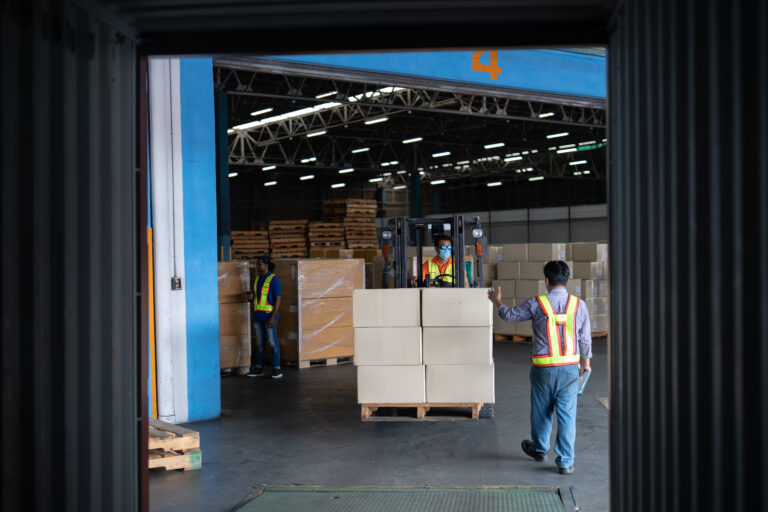
Processing incoming goods
Delivery notes, shipping notifications, and emails are automatically recognized and assigned to the correct orders. Inventory movements are recorded, and information is immediately available in the office, the ERP system, and for sales.
This ensures that warehouse, purchasing and sales always work with the same up-to-date data — without queries or duplicate entries.

Preparing orders
Based on sales figures, minimum stock levels, and open orders, order proposals are automatically generated. Employees no longer need to calculate requirements themselves, but only check and confirm them.
This way, orders are neither placed too late (loss of sales) nor too early (unnecessary storage costs), and purchasing becomes more predictable.

Coordinate supplier communication
Coordinate supplier communication
Delivery confirmations, schedule changes, or supplier inquiries are recognized, extracted, and directly assigned to the responsible individuals. Important information no longer gets lost in inboxes.
All participants can immediately see the current status, without email forwarding or internal coordination loops.

Provide product information
Availability, prices, alternatives, and delivery times are aggregated from various systems using knowledge bots. This allows responses to customer inquiries to be prepared immediately.
Employees don't have to rewrite every message, but instead check and send it — customers receive reliable information faster.

Connecting processes from order to delivery
Orders from the online shop, email, or sales force are automatically processed and go through all further steps until delivery. Data is transferred between ERP, warehouse, and accounting without manual entry or copying.
The entire process becomes consistently traceable, and errors caused by multiple entries disappear.

Processing returns
Returns are identified, processed, and forwarded internally to sales, warehouse, and accounting. Credit notes or replacement shipments can then be prepared.
The processing continues in parallel with daily business, instead of blocking individual employees.

Create reports
Sales figures, product movements and inventory developments are automatically evaluated and regularly provided.
Management recognizes early on which products are selling well, where capital is tied up, and where adjustments to the product range make sense.

Tracking tasks & deadlines
Open orders, outstanding deliveries or unprocessed transactions are detected and actively reminded.
Problems are not only noticed when customers inquire — but beforehand, so that a timely response is possible.